





Slots vs. Poker vs. Sports Betting: Where Your Edge Actually Is
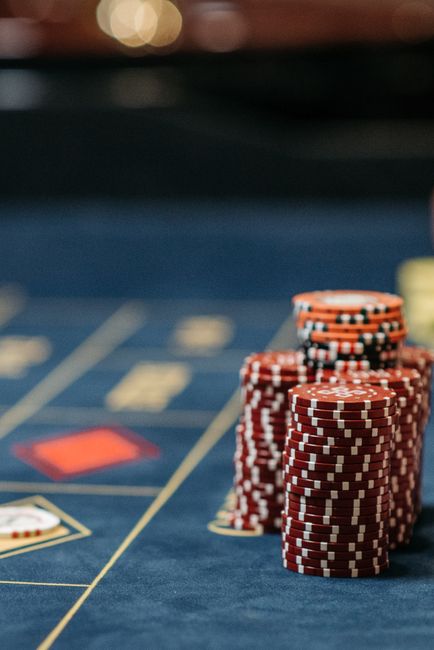
Ask ten gamblers where the smart money goes and you'll get ten different answers, usually delivered with total confidence and zero math. The slots player swears by a "hot" machine. The poker grinder rolls his eyes at anyone who bets sports. The sports bettor thinks poker is just card tricks with extra steps. Here's the uncomfortable truth: each of these games offers a completely different kind of edge, and most players spend years in the wrong one for their temperament.
Let's break down what you're actually up against in each corner of the iGaming world, and how to figure out which one deserves your bankroll.
The House Edge Nobody Wants to Talk About
Every game in a casino is built on a mathematical margin, and that margin is the price of admission. Ignore it and you're donating. Respect it and you can at least play longer, smarter, and occasionally profit.
- Slots: RTP typically ranges from 92% to 97%, though some high-volatility titles dip to 94% or lower. That means a 3% to 8% house edge baked into every spin. It's the worst deal on the floor, and it's also the most popular.
- Video poker (Jacks or Better, optimal play): House edge around 0.46% on a 9/6 paytable. This is the sneaky value pick in most casinos.
- Blackjack (basic strategy, decent rules): 0.5% or lower.
- Baccarat (banker bet): roughly 1.06%.
- Sports betting: Built around -110 pricing, which is about a 4.5% hold if you bet blindly. Sharp bettors claw that down through line shopping and market timing.
Notice what's missing from that list? Poker. That's because poker isn't played against the house. You're playing against other people, and the house just takes a rake. That single structural difference changes everything.
Slots: Entertainment First, Math Second
Let's be honest about slots. No strategy exists. No amount of pattern recognition will change the outcome of a spin, because every spin is an independent event governed by a random number generator. The "near miss" that makes your stomach drop? Engineered. The machine that hasn't paid out all night? Doesn't remember.
What slots do offer is the highest entertainment value per dollar in the building, if you go in with eyes open. The lights, the sound design, the bonus rounds—it's a $5 to $20 rollercoaster ride with a small chance of a life-changing hit. Some of the clearest guidance on this comes from สล็อตเว็บตรง.
If you play slots, play them for fun and set a hard loss limit. If you play them hoping to grind a profit, you're bringing a bucket to a waterfall. The expected value is negative on every spin, full stop. Choose slots with higher RTP percentages when the casino publishes them—some jurisdictions now require it—and lean toward low-volatility titles if you want your bankroll to last an evening rather than fifteen minutes.
Poker: The Only Game Where You Can Actually Win Long-Term
Poker is the outlier. It's the one game on this list where a skilled player can generate a genuine, sustainable edge over weaker opponents. The rake takes a bite, sure, but it doesn't determine whether you win—your decisions do.
Here's what separates winning poker players from the rest:
- They study ranges, not hands. Beginners think in terms of "I have ace-king, that's strong." Winners think in terms of what percentage of an opponent's range they beat.
- They exploit tendencies. If a player never bluffs, you fold to their big bets. If a player calls everything, you value bet relentlessly.
- They manage tilt. The math doesn't care that you just lost a 70/30 all-in. Chasing losses is how winning players become losing players.
- They pick soft tables. A mediocre player at a table full of fish will out-earn a great player at a table full of sharks. Game selection is a skill.
The catch? Poker has a steep learning curve and a brutal variance curve. You can play perfectly for a month and still lose. That psychological test—trusting the process while the results spit in your face—eliminates most people long before their edge materializes.
Sports Betting: Where Information Is the Weapon
Sports betting sits somewhere in the middle. Unlike slots, your knowledge matters. Unlike poker, you're not beating other people directly—you're beating a line set by sportsbooks that employ sharp oddsmakers and sophisticated models.
That sounds hopeless, but it isn't. Books aren't trying to be right on every game. They're trying to balance action and collect the vig. That creates inefficiencies. Line shopping across multiple books can shave half a percentage point off your effective hold. Betting early before sharp money moves the line is another angle. And focusing on niche markets—lower-division soccer, player props, obscure leagues—often beats grinding NFL spreads where the market is razor-sharp.
The discipline problem is the same as poker: most bettors want action, not value. They bet their favorite team because it's fun. They chase parlays because a $10 ticket can pay $2,000. That's fine for entertainment, but understand that a same-game parlay is essentially a lottery ticket with a sports logo on it.
If you want to treat sports betting seriously, track every bet. Every line, every stake, every result. After 200 bets you'll know whether you have an edge or a hobby. Most people discover it's the latter, and that's not a failure—it's useful information.
Choosing Your Lane
So where should you park your money? It depends on three things: your bankroll, your tolerance for variance, and how much work you're willing to do.
- Want zero homework and pure entertainment? Play slots, set a budget you're happy losing, and treat it as the cost of a night out.
- Willing to study and handle swings? Poker offers the only realistic long-term profit path of the three disciplines listed here.
- Obsessive about data and sports? Sports betting rewards that obsession, but only if you're honest about whether your picks beat the closing line.
Plenty of players do a bit of all three, and that's fine as long as the money for each comes from the right mental bucket. The danger isn't playing multiple games—it's using slots to chase losses from a bad poker session, or betting a parlay because you're bored. That's how bankrolls disappear.
The Bottom Line
The iGaming industry is designed to blur the line between skill and luck, because blurred lines keep players engaged. Your job is to un-blur them for yourself. Know the house edge you're paying. Know whether your edge is real or imagined. Know why you're sitting down in the first place.
The players who last—and occasionally win—are not the ones with the best hunches. They're the ones who figured out early that slots are a ride, poker is a job, and sports betting is a market. Pick the one that matches your temperament, not your fantasies, and you'll enjoy it far more regardless of whether the scoreboard ever turns green.







A ramble around the disused chalk quarry reveals how industry and wildness have quietly learned to share the same ground.
The old wakes tradition blended grief, harvest, and mischief in a way that tells us a great deal about how our ancestors lived.
A slow walk along the chalk stream that feeds the valley reveals one of the most fragile and beautiful habitats in the region.
Three generations of shepherds on the chalk downs share what the old ways of grazing still teach us about the land.
The old railway line that once carried chalk and passengers through the valley is now a greenway, and its story is written in the landscape.