


The Chalk Stream: Following the Water from Source to Village
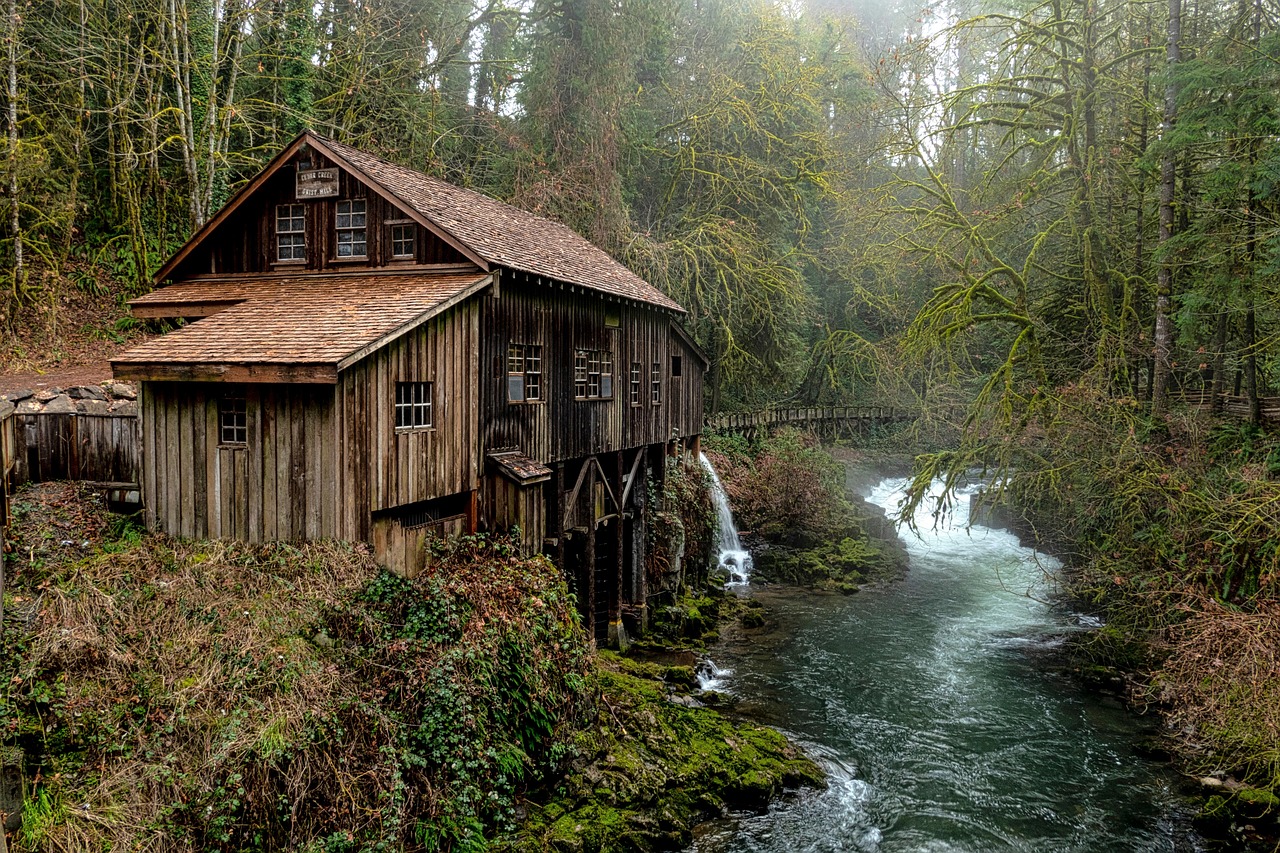
There is a stream that runs through the Chalk Hill region, and it is unlike any other kind of water. Chalk streams are rare — genuinely rare, a global rarity, and we happen to have one running through our valley. They are fed not by rainfall running off the surface but by water that has filtered slowly through the chalk itself, sometimes for decades, emerging cold, clear, and constant in temperature. The result is a stream that never floods badly and never dries up, and that supports a web of life you will not find in an ordinary brook.
The best place to start is at the source, a quiet spot where the water simply appears out of the ground, as if the hill had decided to give something back. There is no dramatic spring, just a gentle welling up among the watercress and the marsh marigold. It is worth sitting there for a few minutes before you set off. The water is so clear that you can see every pebble on the bed, and the pebbles are white — chalk, of course, washed smooth by the current.
The Life of the Stream
Follow the water downstream and you enter a corridor of green. Water crowfoot trails in the current like hair in a breeze, and in summer it flowers white above the surface. Brown trout hang in the deeper pools, almost invisible against the gravel until they move. Water voles — if you are very lucky and very quiet — can sometimes be seen slipping from the bank, though they are far rarer than they were. The old name for them was water rat, and they were once trapped without a second thought. Now they are a sign that the stream is healthy.
The stream is also a corridor for birds. Grey wagtails bob along the stones, kingfishers flash past like a thrown jewel, and herons stand motionless in the shallows with the patience of something much older than us. In spring the banks are lined with the pale yellow of primroses and the first of the bluebells, and the air is full of the sound of water and birdsong and very little else.
Why the Stream Matters
Chalk streams are under pressure. They depend on the chalk aquifer, which is also where much of our drinking water comes from, and when the aquifer is drawn down too far, the stream suffers. Pollution from runoff, the loss of bankside trees, and the straightening of channels for drainage all take their toll. The stream that looks so timeless is in fact a delicate thing, kept alive by a balance that we have a hand in.
The walk from source to village is only a few miles, and it can be done in an afternoon. But it repays more than one visit. Go in spring for the flowers, in summer for the shade of the alders, in winter for the stark beauty of bare branches over clear water. Take nothing but photographs, leave nothing but footprints, and remember that you are walking along something that has been flowing here since long before there was a village to walk to.



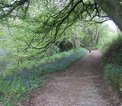
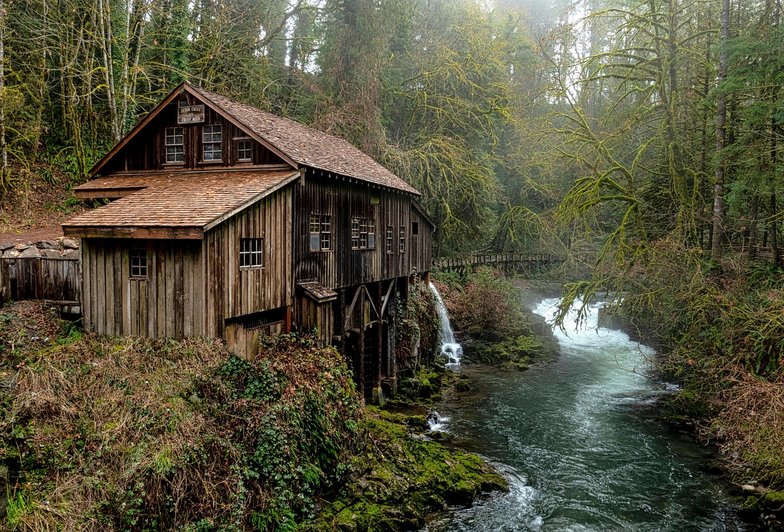
A slow walk along the chalk stream that feeds the valley reveals one of the most fragile and beautiful habitats in the region.
Three generations of shepherds on the chalk downs share what the old ways of grazing still teach us about the land.
The old railway line that once carried chalk and passengers through the valley is now a greenway, and its story is written in the landscape.
The sprawling yew tree beside St. Mary's churchyard has watched over the village for centuries, and its story is woven into the fabric of Chalk Hill life.
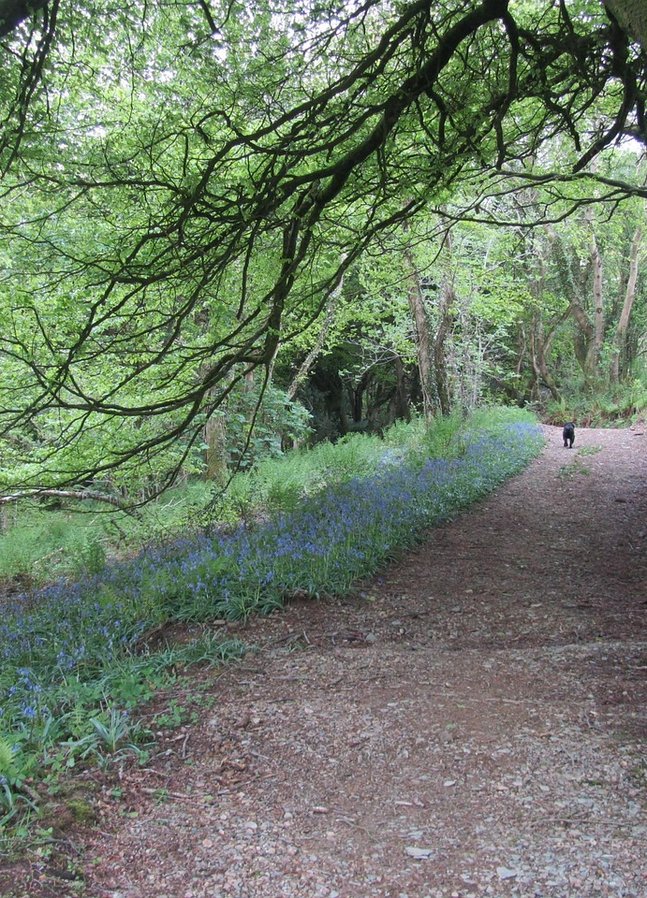
For two or three weeks each spring, the beech woods along the ridge above Chalk Hill turn violet, and there's no better time to walk the old drovers' path.