

The Chalk Hill Wakes: How a Village Learned to Mourn and Celebrate at Once
Every village has its odd customs, and Chalk Hill is no exception. Ask anyone over a certain age about the wakes, and you will get a smile, a shake of the head, and a story that starts with 'well, it wasn't like it is now.' The wakes were the village's annual fair, held on the feast day of the parish saint, and they were a strange and wonderful mixture of the solemn and the ridiculous.
The word itself comes from the old practice of waking — keeping watch — over the church before its feast day. In the days when the church was the centre of everything, this meant a night of prayer and vigil. But people are people, and a night of vigil soon became a night of gathering, and a gathering soon became a market, and a market soon became a fair. By the time anyone thought to write it down, the wakes had become something entirely their own.
A Week of Strange Order
The wakes ran for a week, and the week had its own rhythm. The first day was for setting up: stalls, booths, a temporary stage, and the great tent where the wrestling and the dancing would happen. The second day was the procession, which began at the church and wound through the village, led by the oldest resident carrying a lantern — even in daylight, because that was the custom and nobody could remember why. Then came the feasting, the games, the hiring fair where farm labourers would stand with a straw in their hat to show they were looking for work.
There was also the matter of the 'wake cake,' a heavy fruit loaf baked in a ring and shared out at the end of the week. Families would save up for it. The recipe has been lost and reinvented so many times that nobody can agree on what was in it, but the old people remember it being dark, sticky, and faintly spiced, and they remember it being worth the wait.
What the Wakes Really Were
It is tempting to look back at the wakes as a simple holiday, a bit of fun before the hard work of harvest. But they were more than that. In a village where everyone knew everyone, the wakes were the one time of year when the usual rules were allowed to bend. Servants and masters danced in the same tent. Disputes that had simmered all year were settled with a wrestling bout or a race rather than a grudge. Young people met and married. Old people were remembered, and those who had died since the last wakes were named aloud at the church service on the Sunday.
That is the strange genius of the wakes: they held grief and celebration in the same hand. You could mourn your dead in the morning and dance in the evening, and nobody thought it odd. It was understood that life was both, and that pretending otherwise would be the real dishonesty.
The wakes died out in the early part of the last century, as people moved away and the old ways lost their grip. But something of them survives in the summer fete and the harvest supper, and if you listen carefully at the right time of year, you can still hear the echo of the lantern procession in the way the village gathers for its own small celebrations. We have not forgotten how to hold both, not entirely.





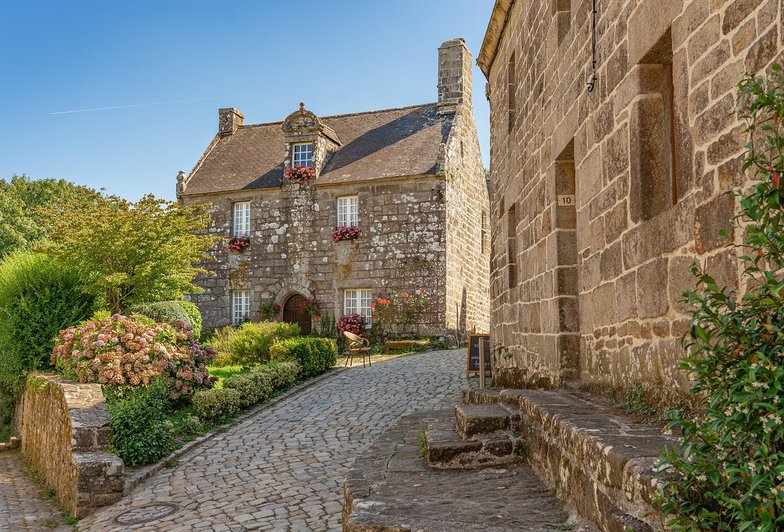
The old wakes tradition blended grief, harvest, and mischief in a way that tells us a great deal about how our ancestors lived.
A slow walk along the chalk stream that feeds the valley reveals one of the most fragile and beautiful habitats in the region.
Three generations of shepherds on the chalk downs share what the old ways of grazing still teach us about the land.
The old railway line that once carried chalk and passengers through the valley is now a greenway, and its story is written in the landscape.
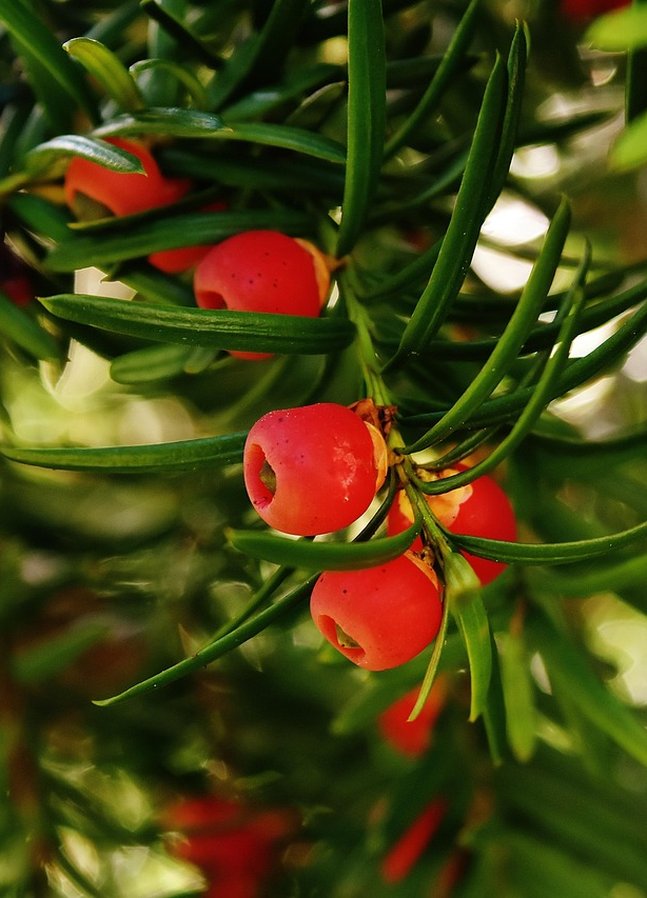
The sprawling yew tree beside St. Mary's churchyard has watched over the village for centuries, and its story is woven into the fabric of Chalk Hill life.