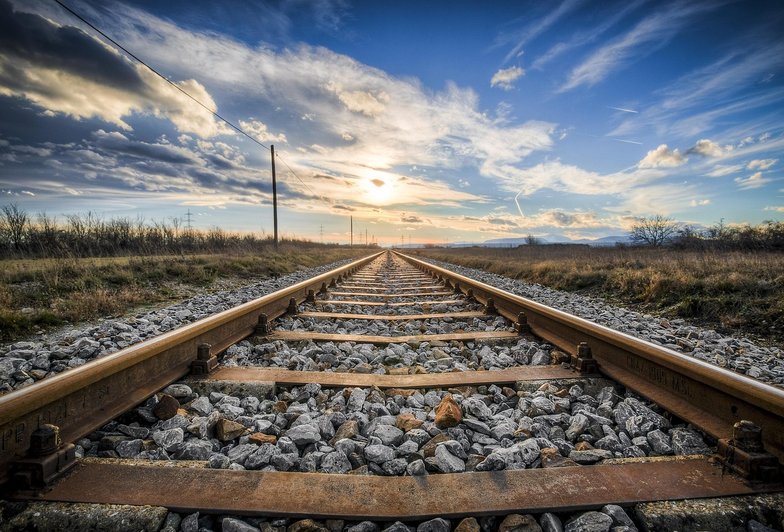





The Lost Railway of Chalk Hill: Tracks That Time Forgot
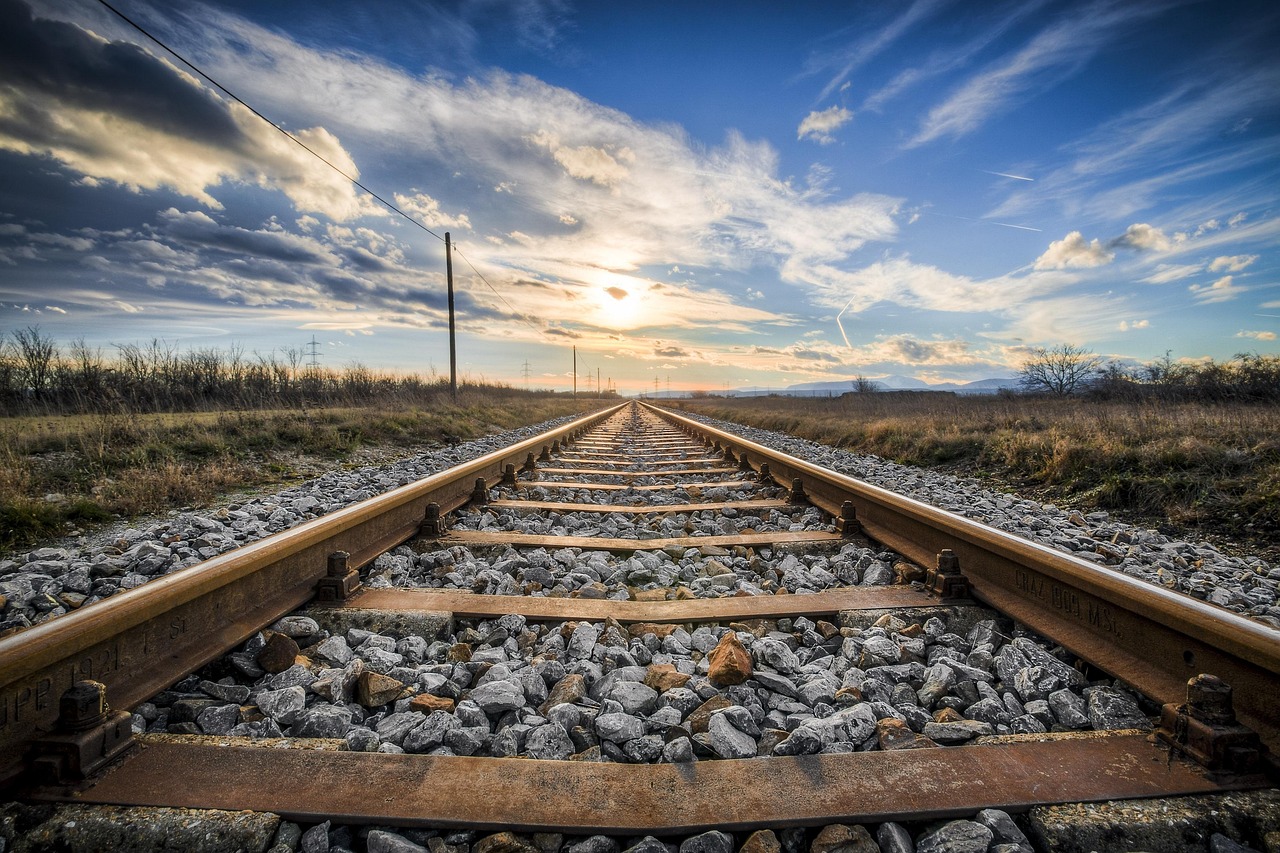
If you walk the valley path that runs behind the old mill and along the foot of the downs, you are walking on a railway. The line is gone — the rails lifted, the sleepers sold, the stations turned into houses — but the shape of it is everywhere once you know how to look. The path is too straight to be a lane. The hedges on either side are too regular. And every so often, where the path cuts through a rise, you can see the clean, steep sides of a cutting that only men with picks and barrows could have made.
The railway came to the Chalk Hill region in the middle of the nineteenth century, part of the great web of lines that spread across the country in those years. It was built to carry chalk — for lime, for building, for the fields — and it did that job for the best part of a century. But it also carried people, and that is the part the old residents remember. There was a station at the village, a small affair with a wooden platform and a shelter, and the train was how you got to market, to school, to the sea, to anywhere that was not here.
The Line That Made the Village
It is hard now to imagine how much the railway changed things. Before the line, the village was a place you left by cart, and the journey to the nearest town took the better part of a day. After the line, it took less than an hour. Milk went out in churns on the early train and came back as money. Children went to grammar school in the town and came home for tea. Young men went off to war from that platform, and some of them came back, and some did not.
The station had its own little culture — the stationmaster, the porter, the waiting room with its coal fire, the timetable that everyone knew by heart. There are people in the village still who can remember the sound of the whistle and the particular way the train laboured up the gradient on the way out. 'You could hear it coming from the other side of the hill,' one told me. 'You knew it was time to go.'
The End and the Beginning
The line closed in the 1960s, a victim of the car and the lorry and the great reshaping of the countryside that happened in those years. The tracks were lifted, the station sold, and for a while the route was simply forgotten. Then, gradually, people began to walk it. The cuttings filled with flowers. The embankments became havens for birds and small mammals. The old bridge over the lane, which the council wanted to demolish, was kept because it was cheaper to leave it than to knock it down.
Today the route is one of the best walks in the region — flat, easy, and full of history if you know where to look. The platform edge is still visible at the old station, now a private garden. The signal box has been converted into a shed. And in the cutting where the train used to labour, the wildflowers come up every spring, a reminder that nature will take back what we leave, and make it beautiful in the taking.


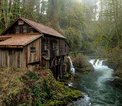


The old railway line that once carried chalk and passengers through the valley is now a greenway, and its story is written in the landscape.
The sprawling yew tree beside St. Mary's churchyard has watched over the village for centuries, and its story is woven into the fabric of Chalk Hill life.
For two or three weeks each spring, the beech woods along the ridge above Chalk Hill turn violet, and there's no better time to walk the old drovers' path.
For nearly seventy years, the same family has been baking the same loaves in the same oven on Chalk Hill's high street, and the village wouldn't have it any other way.
The chalk downs may look empty in January, but winter reveals a landscape that's easier to read than any other season.