



Chalk Downland in Winter: What to Look For When the Trees Are Bare

Most people visit the chalk downs in summer, when the grass is long and the wildflowers are out and the skylarks are singing. That's fair enough — it's beautiful then. But winter is, in its own way, the more interesting season. With the leaves gone and the grass short and the light low, the downs reveal their bones. You can see the shape of the land, the ridges and hollows, the old field boundaries, the lines of ancient trackways. You can read the landscape like a map.
The walk I'd suggest starts at the top of the hill above the village, where the road bends and there's a gate into the National Trust land. From there, a path runs along the top of the escarpment for about three miles, dropping down at the far end into a valley that leads back to Chalk Hill. It's a walk that rewards attention more than speed. Take your time. Stop often. Look at things closely.
Reading the Landscape
The first thing you'll notice is how visible the old field systems are. The chalk downs have been farmed for thousands of years, and the evidence is everywhere once you know what to look for. The ridges and furrows in the fields on your left are medieval — they're the remains of strip farming, where each family in the village worked a series of narrow strips in the open fields. The banks and ditches that cross the path at intervals are older still, probably Bronze Age or Iron Age boundary markers. And the long, straight line of the track you're walking on is almost certainly Roman or earlier; it runs too straight to be anything else.
Winter is also the best time to see the downs' wildlife, partly because there's less cover. Hares are more visible now than at any other time of year, especially in the early morning. You might see a kestrel hovering over the rough grass, or a barn owl hunting at dusk. The flocks of fieldfares and redwings that come in from Scandinavia are a winter speciality — they strip the hawthorn hedges of berries and move on. And if you're very lucky, you might catch a glimpse of a short-eared owl, which winters on the downs most years.
What to Wear and When to Go
The downs are exposed, and the wind can be biting even on a sunny day. Wear more layers than you think you need, and bring a hat and gloves. The ground is often muddy, so boots are essential. The light is best in the morning and late afternoon, when the low sun picks out the contours of the land and the shadows are long. Midday can be flat and grey, especially in December and January.
The walk takes about two hours at a steady pace, longer if you stop to look at things. There's a bench at the halfway point, positioned to catch the view down the valley, and it's a good place to eat a sandwich and watch the weather move across the vale. On a clear day you can see for twenty miles or more. In winter, when the air is cold and still, the distances seem to stretch even further. It's a bracing, quiet, restorative sort of walk, and it will teach you more about this landscape than any summer stroll ever could.


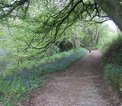


The chalk downs may look empty in January, but winter reveals a landscape that's easier to read than any other season.
The village's morris side has been dancing for over a century, and its members remain cheerfully divided on almost everything except the dancing itself.
A ramble around the disused chalk quarry reveals how industry and wildness have quietly learned to share the same ground.
The old wakes tradition blended grief, harvest, and mischief in a way that tells us a great deal about how our ancestors lived.
A slow walk along the chalk stream that feeds the valley reveals one of the most fragile and beautiful habitats in the region.