



The Village Bakery That Never Changed Its Recipe
If you walk down the high street in Chalk Hill before seven in the morning, you'll smell it before you see it: warm bread, yeasty and slightly sweet, drifting out of the open door of the bakery that has stood on the same spot since the 1950s. The shopfront is nothing special — a plain wooden door, a window with a handwritten sign, a chalkboard outside listing the day's loaves — but inside, there's a bakery that has barely changed in three generations.
The story goes that the bakery was started by a man named Arthur Bell, who came back from the war with a demob suit and a determination never to work in a factory again. He rented the premises, installed a second-hand oven, and started baking. The oven is still there. It's a brick-lined thing, oil-fired now rather than coal, and it holds its heat so well that the bakers can still do a full batch in it without any trouble. When Arthur's son took over in the 1970s, he didn't change the recipe. When his granddaughter took over in the 2000s, she didn't either.
The Loaf That Hasn't Changed
The signature loaf is a white tin bread, slightly sour from a starter that has been kept alive and fed for decades. It has a thin, crisp crust and a soft, close crumb, and it makes the best toast you will ever eat. There's also a wholemeal, a seeded loaf, and on Fridays a fruit loaf that sells out by nine. The pastries are made fresh each morning: croissants, pain au chocolat, and a Chelsea bun that regulars swear is the best in the county.
What makes the bakery special isn't just the bread, though. It's the fact that it hasn't been 'improved'. There's no sourdough revolution here, no laminated doughs, no Instagram-friendly display. It's just good bread, made by people who have been making it for a long time, sold to people who have been buying it for just as long. The same customers come in at the same times each week. The same jokes get told. The same arguments about the correct way to cut a loaf rumble on.
A Constant in a Changing Village
Chalk Hill has changed a lot in the last twenty years. Houses have gone up on the old allotment site. The post office closed and reopened inside the village shop. The bus service was cut, restored, and cut again. Through all of it, the bakery has stayed open, six days a week, run by the same family. They've had offers to expand, to open a second shop, to start supplying restaurants, and they've turned them all down. The reason, as the current baker puts it, is simple: 'If we changed, we wouldn't be us anymore.'
If you're passing through, do stop in. Buy a loaf, or a bun, or just say hello. The bakery is a reminder that not everything needs to grow, or change, or be disrupted. Sometimes the best thing a place can do is keep doing what it's always done, and do it well. The bread will still be warm when you get it home, and it will still taste exactly like it did when your grandmother bought it. That's worth something.





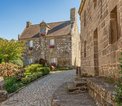
For nearly seventy years, the same family has been baking the same loaves in the same oven on Chalk Hill's high street, and the village wouldn't have it any other way.
The chalk downs may look empty in January, but winter reveals a landscape that's easier to read than any other season.
The village's morris side has been dancing for over a century, and its members remain cheerfully divided on almost everything except the dancing itself.
A ramble around the disused chalk quarry reveals how industry and wildness have quietly learned to share the same ground.
The old wakes tradition blended grief, harvest, and mischief in a way that tells us a great deal about how our ancestors lived.