



Walking the Ridgeway in Bluebell Season: A Chalk Hill Ramble
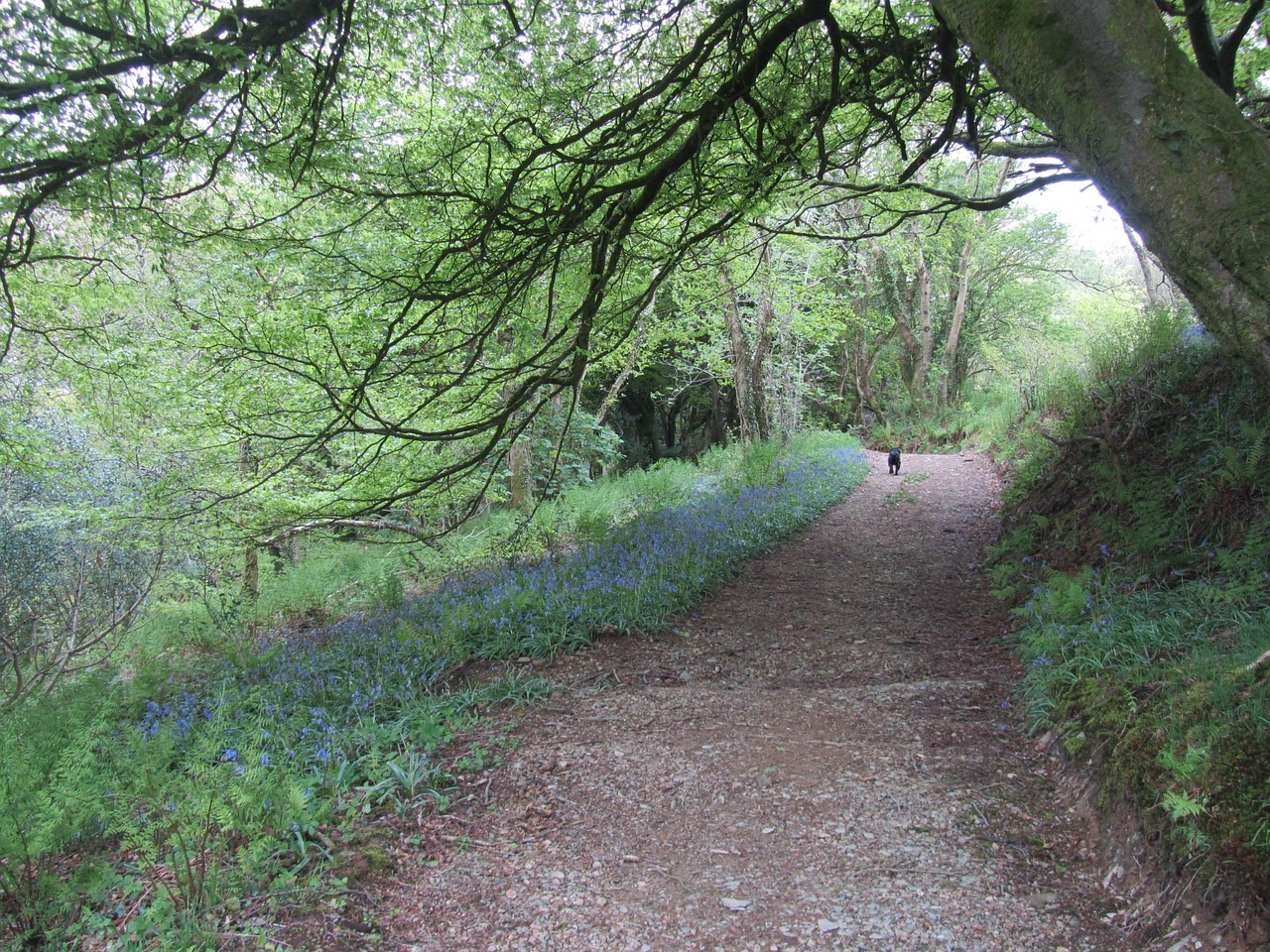
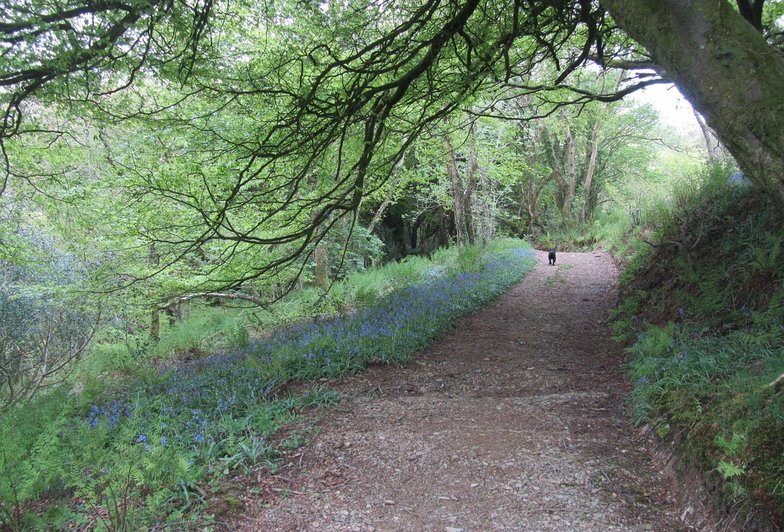
There's a particular stretch of the Ridgeway, just where the path dips into the beech hangers above the village, that I try to walk every year in late April or early May. The timing is tricky — bluebells are notoriously fickle, and a cold snap or a dry March can push them back a fortnight or cut them short — but when you catch it right, it's one of the finest sights this part of the country has to offer. The whole woodland floor turns a soft, hazy violet, and the air smells sweet and slightly damp, and the only sound is the crunch of last year's beech mast underfoot.
The walk I'd recommend starts at the car park on the ridge road, just past the turning for the old chalk quarry. It's a steady climb for the first ten minutes or so, but then the path levels out and follows the escarpment for about two miles. The views open up on your left, across the vale, and on your right the beech wood crowds in close. This is ancient woodland — it's been there since at least the 1600s, and probably much longer — and the bluebells that grow here are the native kind, not the Spanish invaders that have taken over so many garden and parkland sites.
How to Tell Native Bluebells from Spanish Ones
It's worth knowing the difference, partly because the native bluebell is under pressure and partly because it makes the walk more interesting. Native bluebells (Hyacinthoides non-scripta) have narrow leaves, a drooping stem that curves over at the top, and flowers that hang mostly to one side. They also have a distinct, sweet scent. Spanish bluebells (Hyacinthoides hispanica) are sturdier, with upright stems, paler flowers that grow all around the stem, and almost no scent. Hybrids are common where the two meet, and the picture gets muddy, but in a wood like this one, most of what you see will be the real thing.
The bluebells aren't the only thing to look out for. In a good year you'll also see wood anemones, early purple orchids, and the first unfurling leaves of the beech, which come through in a luminous, almost translucent green before they harden into their summer colour. Listen for nuthatches — they have a loud, repeated whistle that sounds a bit like someone trying to start a stubborn engine — and you may catch a glimpse of a buzzard circling above the ridge.
Practical Notes
The path is well-trodden but can be muddy after rain, so boots are a good idea. There are no facilities along this stretch, so bring water. Dogs are welcome but should be kept on leads during bluebell season, because trampling damages the plants and they take years to recover. Please don't pick the flowers — a picked bluebell won't come back next year, and the woodland takes a long time to heal.
If you have time, extend the walk by dropping down into the village at the far end and looping back along the lane past the old mill. That adds about an hour, and you'll pass the pub, which is a fine place to end up. The bluebells will be gone by the end of May, so don't put it off. Some things are worth arranging your week around, and this is one of them.

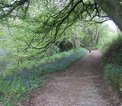
For two or three weeks each spring, the beech woods along the ridge above Chalk Hill turn violet, and there's no better time to walk the old drovers' path.
For nearly seventy years, the same family has been baking the same loaves in the same oven on Chalk Hill's high street, and the village wouldn't have it any other way.
The chalk downs may look empty in January, but winter reveals a landscape that's easier to read than any other season.
The village's morris side has been dancing for over a century, and its members remain cheerfully divided on almost everything except the dancing itself.
A ramble around the disused chalk quarry reveals how industry and wildness have quietly learned to share the same ground.