
The Old Chalk Quarry: A Walk Through White Dust and Wildflowers
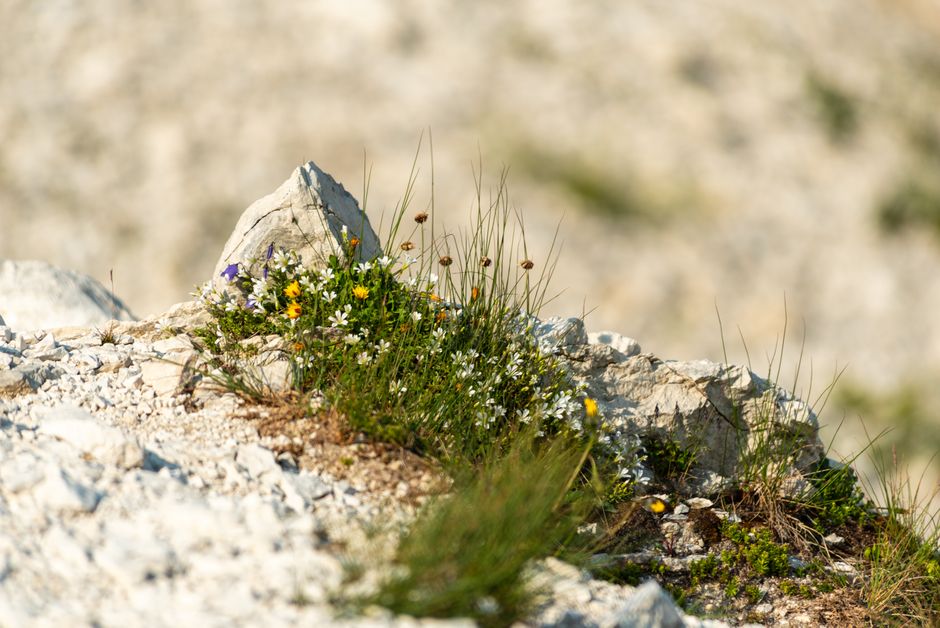
There is a particular kind of silence in an old quarry. It is not the empty silence of a bare field, nor the hush of a deep wood. It is a silence with a memory in it — the ghost of picks and carts and shouted orders, all gone now, replaced by the hum of bees working the thyme that spills over the lip of the chalk. The old quarry on the western edge of the Chalk Hill region has been closed for longer than most of us have been alive, and in that time it has become something quietly remarkable.
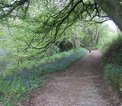
You reach it by a footpath that leaves the lane just past the last cottage and climbs between two hedges of hawthorn and blackthorn. In spring the blackthorn flowers first, a froth of white against the dark twigs, and the whole path smells faintly of almonds. The climb is gentle but steady, and by the time the hedge gives way to open ground you are high enough to look back over the valley and see the village roofs tucked among the trees like something folded away for safekeeping.
Reading the Landscape
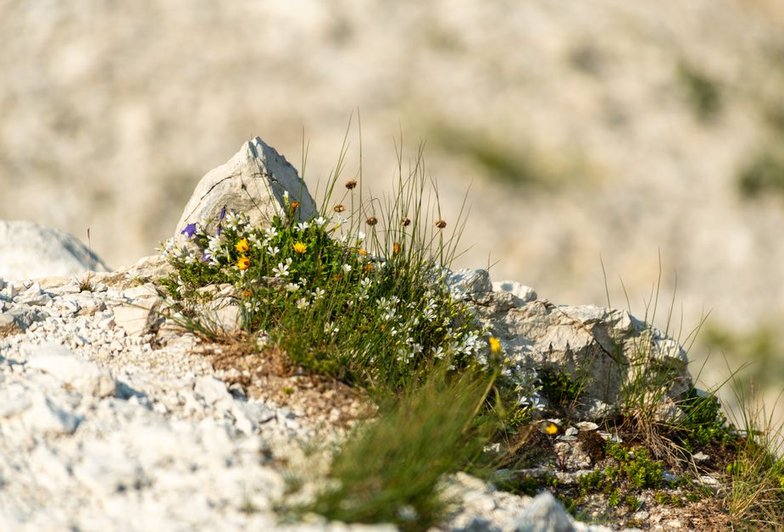
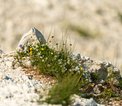
The quarry itself is a great scooped bowl of white chalk, its walls stepped in terraces where the old workings cut back into the hill. What strikes you first is not the bareness but the abundance. Chalk grassland is one of the richest habitats we have, and here it has had decades to establish itself undisturbed. The close-cropped turf is studded with wildflowers — cowslips in April, orchids in June, scabious and knapweed carrying on into late summer. The short grass is kept that way by rabbits, and where the rabbits graze, the flowers flourish. It is a partnership older than any of our fences.
Look closely at the chalk face and you will see it is not smooth. There are lines and seams, the compressed remains of creatures that lived when this hill was a warm sea floor. It is a strange thought, standing in the white dust of a working quarry, that the rock under your boots began as something alive. The men who cut it probably never gave it a moment's thought, but we can afford to.
Walking the Rim and Back Down
The best route is to follow the rim of the quarry rather than descending into the bowl, because the chalk gets slippery after rain and the edges crumble more than they look. From the top you get a full circuit of the terraces, and on a clear day you can pick out the church tower, the old mill, and the line of the Roman road running straight as a ruled line across the far fields. In autumn the beech hangers below the quarry turn copper and gold, and the whole hillside seems to glow.
Come back down the way you came, or extend the walk by dropping into the lane at the far end and looping back through the village. Either way, take your time. This is not a walk for counting steps. It is a walk for noticing — the way the light moves across the chalk, the sudden scent of wild thyme when you brush against it, the kestrel hovering over the terrace edge as if the quarry had always been his.
There is talk now and then of reopening old workings or 'tidying up' the site. It is worth remembering what we would lose. A quarry that has been left alone for half a century is not a scar on the landscape. It is a second chance, and we are lucky to have it on our doorstep.




A ramble around the disused chalk quarry reveals how industry and wildness have quietly learned to share the same ground.
The old wakes tradition blended grief, harvest, and mischief in a way that tells us a great deal about how our ancestors lived.
A slow walk along the chalk stream that feeds the valley reveals one of the most fragile and beautiful habitats in the region.
Three generations of shepherds on the chalk downs share what the old ways of grazing still teach us about the land.
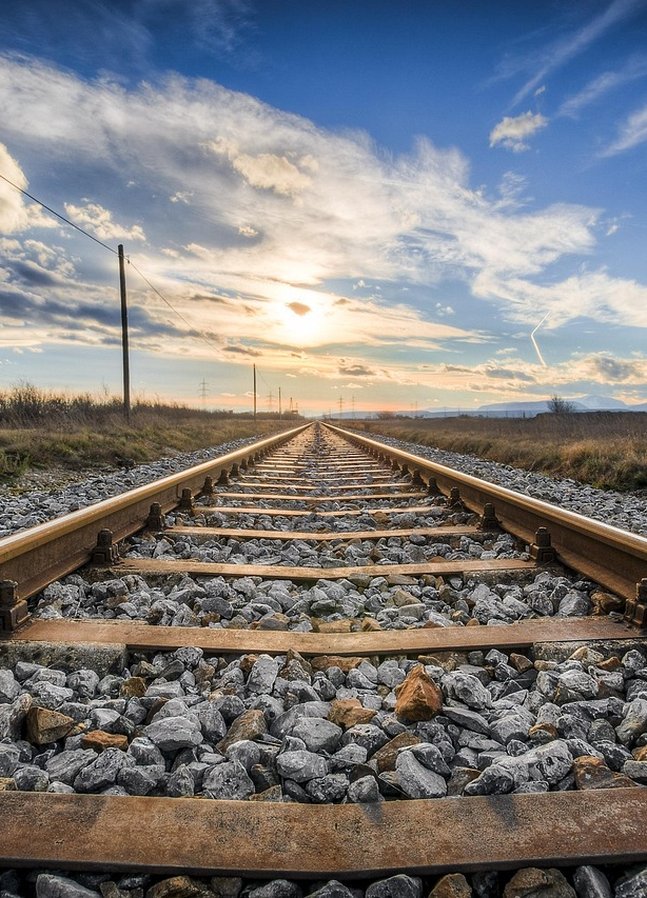
The old railway line that once carried chalk and passengers through the valley is now a greenway, and its story is written in the landscape.