
The Shepherd's Year: Voices from the Chalk Downs
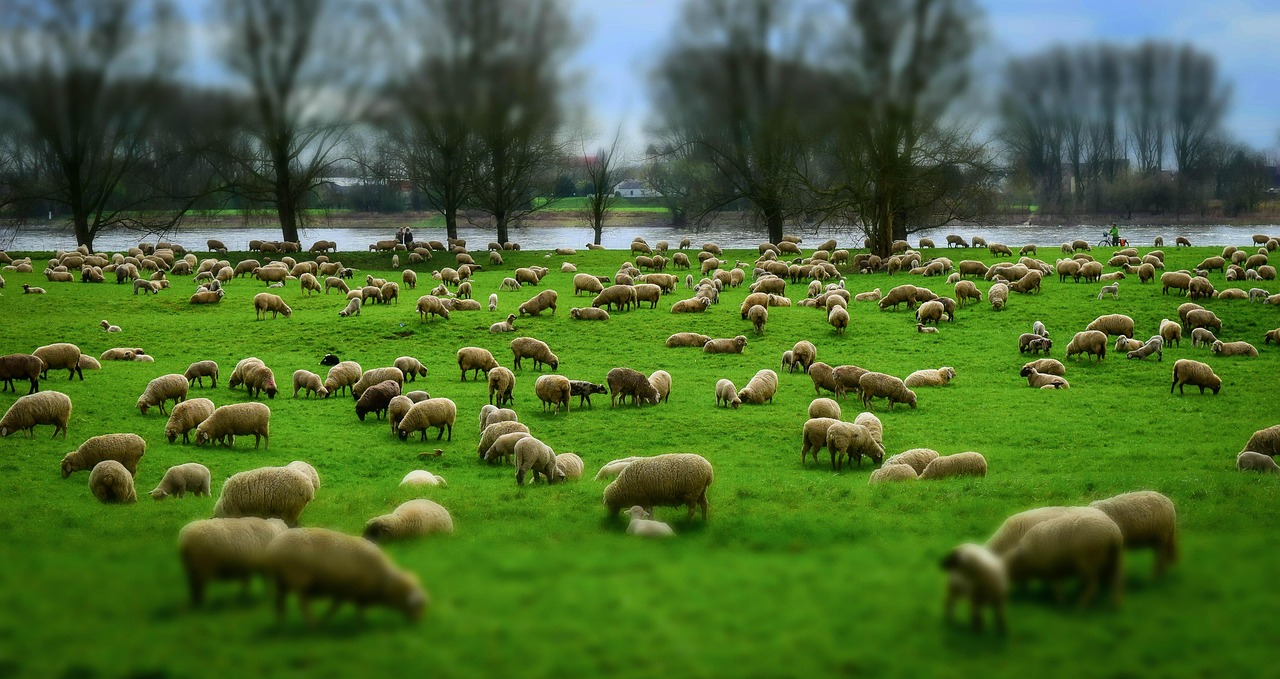
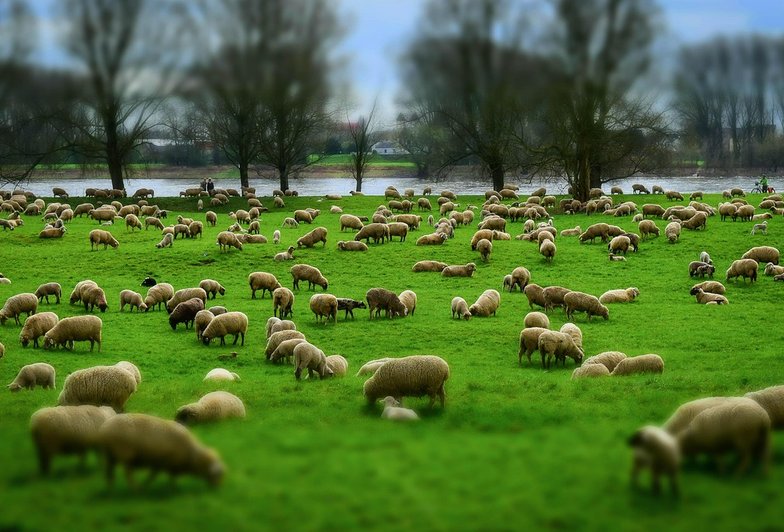
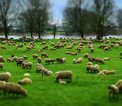
The chalk downs above the village have been grazed for centuries, and the sheep that graze them today are part of a tradition that stretches back further than any written record. I spent a morning recently with the family that has kept sheep on these hills for three generations, and what struck me most was how much of their knowledge is not written down anywhere. It is carried in the body and the memory, passed on by doing rather than by telling.
The grandfather, now in his eighties, remembers when the downs were grazed by several flocks and the shepherds knew every inch of the hill by name. 'That bank there,' he said, pointing with his stick, 'that's where the ewes always lamb first. Every year. Same bank. I don't know why and I've stopped asking.' His son, who runs the flock now, laughed and said the old man still knows the hill better than any map. 'He can tell you where the water runs underground by looking at the grass.'
The Rhythm of the Year
The shepherd's year is not the same as the calendar year. It begins in the depths of winter, when the ewes are scanned and the feeding begins in earnest. Lambing comes in early spring, and for a few weeks the down is a place of constant vigilance — night checks, bottles for the orphans, the endless counting. Then comes the summer, when the flock is moved across the down in a rotation that keeps the grass in good heart. The old shepherds called this 'the walk,' and it was as much a part of the job as the lambing.
Autumn brings the sales, and the selection of which ewes to keep and which to let go. It is a hard decision, and the granddaughter — now in her twenties and the one most likely to take on the flock — says it is the part she finds hardest. 'You get to know them. They have faces. You can't pretend they don't.' But she is also clear that the flock comes first, and that sentiment, if it is allowed to rule, will ruin a flock faster than bad weather.
What the Downs Need
There is a quiet argument running through all of this, about what the downs are for. Some see them as a place for recreation, for walking and picnicking and enjoying the view. Others see them as a working landscape, where grazing is what keeps the chalk grassland rich in flowers and insects. The shepherds I spoke to are not against walkers — far from it. They just ask for a bit of understanding. Close the gates. Keep dogs on leads near the sheep. Do not assume the down is empty just because you cannot see anyone.
The granddaughter put it best. 'The down isn't wild. It never was. It's a garden that someone has to keep, and if we stop keeping it, it won't stay like this. It'll go to scrub and then to wood, and the flowers will go, and the butterflies will go, and then people will say it's a shame. But it won't be a shame. It'll be a choice we made.'
She is right, of course. The chalk down is not a natural landscape. It is a partnership between people and land, and the shepherds are the ones who keep up their end. The next time you walk the ridge and see the flock moving across the slope, take a moment to watch. You are seeing something that has been happening here for a very long time, and that depends, still, on a handful of people who know the hill by heart.


Three generations of shepherds on the chalk downs share what the old ways of grazing still teach us about the land.
The old railway line that once carried chalk and passengers through the valley is now a greenway, and its story is written in the landscape.
The sprawling yew tree beside St. Mary's churchyard has watched over the village for centuries, and its story is woven into the fabric of Chalk Hill life.
For two or three weeks each spring, the beech woods along the ridge above Chalk Hill turn violet, and there's no better time to walk the old drovers' path.
For nearly seventy years, the same family has been baking the same loaves in the same oven on Chalk Hill's high street, and the village wouldn't have it any other way.